Blog · Guides
Rent a Mac mini vs Buy one in 2026: Which makes more sense?
Compare renting and buying a Mac mini for development, remote access, CI/CD, and long-term use.
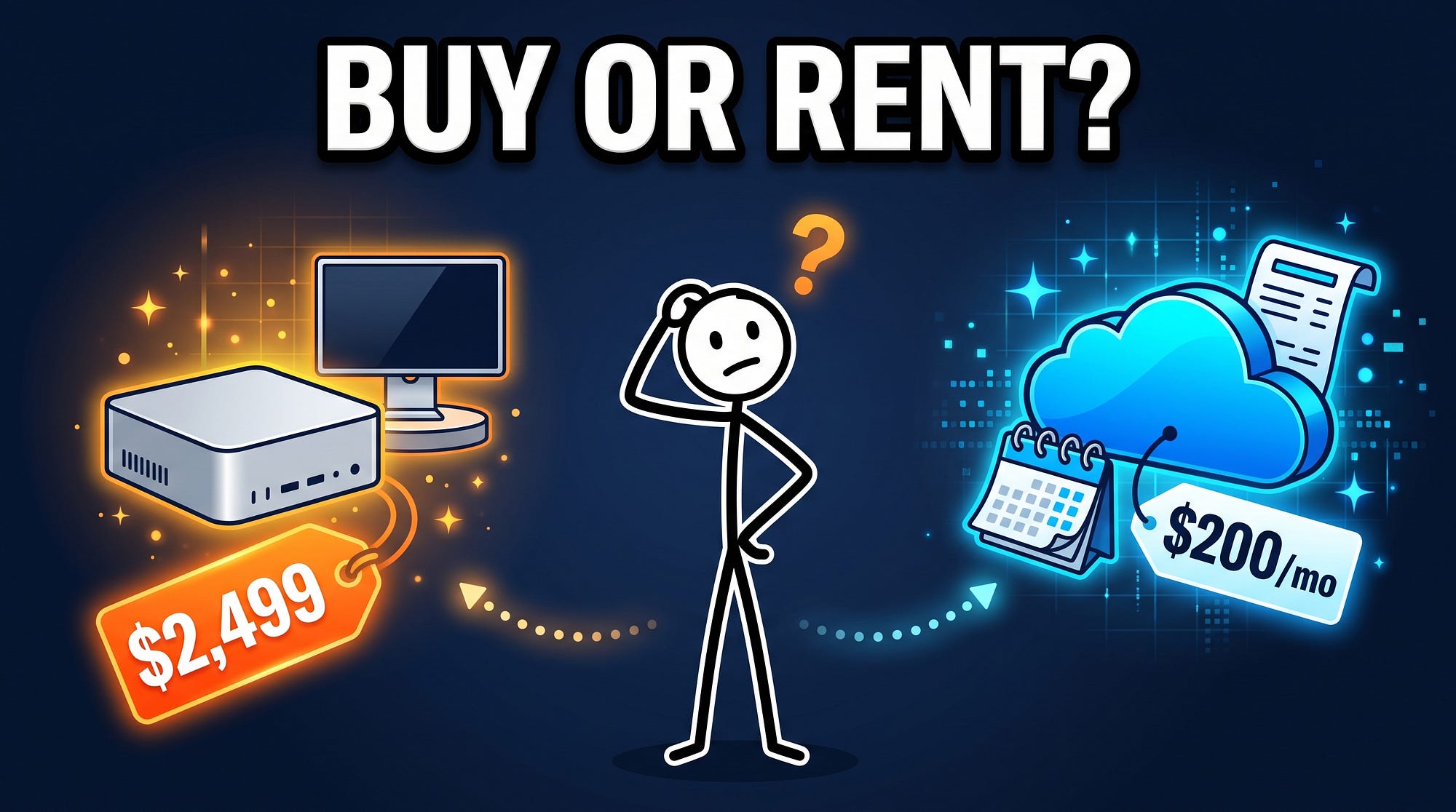
When you need access to macOS, Xcode, or a dedicated Apple Silicon machine, one point people might question is: Should you rent a Mac mini or buy one outright?Buying often seem like the obvious choice as you can own the hardware, can use it for years, and don't have ongoing rental payments. However, for developers, startups, QA teams, and businesses running CI/CD workflows, renting a cloud Mac mini can be a practical alternative, even for long-term use.
The right choice depends on what you're using the Mac for, how long you'll need it to complete your project, and whether you prefer owning the hardware or having access to a remotely hosted machine.
For example, renting may be suitable if you're:
This can be especially useful for developers and businesses that want a separate Mac environment without managing the physical hardware, office networking, power, or remote-access infrastructure.
However, renting doesn't eliminate every responsibility. You'll still need to manage your applications, credentials, software configurations, and any backups not included in the service.
In reality, some businesses need access to a dedicated Mac throughout the year.
Imagine a software development agency that regularly builds iOS applications for multiple clients. Instead of relying on an employee's personal MacBook, the agency could rent a dedicated Mac mini to handle automated builds and testing.
With a properly configured CI/CD pipeline, the machine can run scheduled builds, execute tests, and prepare application releases without interrupting developers' daily work.
For remote teams, a hosted Mac can also provide a consistent environment accessible from different locations.
In these situations, long-term renting isn't necessarily about saving money on the hardware.
It's about having the Mac hosted somewhere suitable, reducing physical infrastructure responsibilities, and supporting an ongoing development workflow.
Even when rental payments eventually exceed the hardware purchase price, those operational benefits may still make renting worthwhile.
For example, purchasing may be more practical if you:
You also have more direct control over the physical device.
The trade-off is that you become responsible for hardware maintenance, repairs, and any remote-access setup you need.
For developers who already have a reliable local environment, purchasing may offer better financial value over time.
Buying requires an upfront payment, but you own the machine and can continue using it without monthly rental fees.
Renting works differently. You pay for access to a Mac hosted in a remote environment, along with whatever infrastructure and services are included in your selected plan.
To compare both options fairly, consider:
For a company that requires a hosted Mac for automated builds or continuous development workflows, the convenience of renting may justify an ongoing fee.
Neither is automatically cheaper in every situation.
The real comparison is the total cost of getting the work done, including the responsibilities that come with each option.
For example, if you only need occasional iOS builds, a managed build service may cost less than renting a dedicated Mac continuously.
Similarly, if you already own a suitable Mac, you may not need another machine unless your workflow requires a separate environment.
The goal is to choose a solution that matches your actual needs.
Buying gives you hardware ownership, direct physical access, potential resale value, and often better hardware economics over several years.
Renting gives you access to a remotely hosted Mac without needing to purchase and operate the physical machine yourself.
For individual developers, startups, and teams running ongoing development or automation workflows, renting can be practical for both short-term projects and long-term operations.
Before deciding, ask yourself:
Do I need to own a Mac mini, or do I need reliable access to a suitable macOS environment?
Your answer will help determine which option provides the most value for your workflow.
The right choice depends on what you're using the Mac for, how long you'll need it to complete your project, and whether you prefer owning the hardware or having access to a remotely hosted machine.
When Does Renting a Mac mini Make More Sense?
Renting a Mac mini makes sense when you need a macOS environment without purchasing and hosting the physical machine yourself which holds great responsibilities in maintaining it.For example, renting may be suitable if you're:
- Building or testing an iOS app for a client project.
- Setting up a dedicated CI/CD machine for automated Xcode builds and testing.
- Giving a remote development team access to a shared macOS environment.
- Experimenting with local AI tools on Apple Silicon.
- Avoiding a large upfront hardware purchase (electricity, etc.).
- Running long-term development or automation workloads that need a remotely accessible machine.
This can be especially useful for developers and businesses that want a separate Mac environment without managing the physical hardware, office networking, power, or remote-access infrastructure.
However, renting doesn't eliminate every responsibility. You'll still need to manage your applications, credentials, software configurations, and any backups not included in the service.
Renting Can Also Be a Long-Term Solution
A common misconception is that renting only makes sense for short-term projects.In reality, some businesses need access to a dedicated Mac throughout the year.
Imagine a software development agency that regularly builds iOS applications for multiple clients. Instead of relying on an employee's personal MacBook, the agency could rent a dedicated Mac mini to handle automated builds and testing.
With a properly configured CI/CD pipeline, the machine can run scheduled builds, execute tests, and prepare application releases without interrupting developers' daily work.
For remote teams, a hosted Mac can also provide a consistent environment accessible from different locations.
In these situations, long-term renting isn't necessarily about saving money on the hardware.
It's about having the Mac hosted somewhere suitable, reducing physical infrastructure responsibilities, and supporting an ongoing development workflow.
Even when rental payments eventually exceed the hardware purchase price, those operational benefits may still make renting worthwhile.
When Does Buying a Mac mini Make More Sense?
Buying is often the better choice when you need a Mac for regular local use and prefer full ownership.For example, purchasing may be more practical if you:
- Work as a full-time Apple developer using a Mac at your desk.
- Frequently connect iPhones, iPads, or other physical devices for testing.
- Need direct hardware access without depending on a remote connection.
- Already have a suitable workspace, electricity, and internet connection.
- Expect to use the same machine for several years.
You also have more direct control over the physical device.
The trade-off is that you become responsible for hardware maintenance, repairs, and any remote-access setup you need.
For developers who already have a reliable local environment, purchasing may offer better financial value over time.
The Real Cost: What Are You Actually Paying For?
When comparing renting and buying, the price of the Mac mini is only one part of the decision.Buying requires an upfront payment, but you own the machine and can continue using it without monthly rental fees.
Renting works differently. You pay for access to a Mac hosted in a remote environment, along with whatever infrastructure and services are included in your selected plan.
To compare both options fairly, consider:
- Upfront cost: Do you prefer buying the hardware or paying for rental access?
- Usage duration: Will you need the Mac for a few months, a year, or longer?
- Maintenance: Who handles physical hardware issues and replacement?
- Remote access: Do you need a machine accessible without operating it at home or in your office?
- Operational costs: What electricity, networking, management, and other services will you need?
- Future requirements: Will the current hardware remain suitable as your projects grow?
- Resale value: If you buy the Mac, what might it be worth when you no longer need it?
For a company that requires a hosted Mac for automated builds or continuous development workflows, the convenience of renting may justify an ongoing fee.
Neither is automatically cheaper in every situation.
The real comparison is the total cost of getting the work done, including the responsibilities that come with each option.
Rent vs Buy: Which Option Fits Your Workflow?
Here's a simple way to help narrow down your decision.- Need macOS for a short-term project: Renting
- Need a remote machine for regular CI/CD builds: Long-term renting
- Want a centrally hosted Mac for a remote team: Renting
- Use a Mac locally every day: Buying
- Frequently test with physical iPhones or iPads: Buying
- Already own a suitable Mac: Using existing hardware
- Only need occasional automated iOS builds: Managed cloud build services
- Need to run local AI models: Compare hardware and memory requirements first
For example, if you only need occasional iOS builds, a managed build service may cost less than renting a dedicated Mac continuously.
Similarly, if you already own a suitable Mac, you may not need another machine unless your workflow requires a separate environment.
The goal is to choose a solution that matches your actual needs.
Final Thoughts: Ownership or Convenience?
Both renting and buying a Mac mini have advantages.Buying gives you hardware ownership, direct physical access, potential resale value, and often better hardware economics over several years.
Renting gives you access to a remotely hosted Mac without needing to purchase and operate the physical machine yourself.
For individual developers, startups, and teams running ongoing development or automation workflows, renting can be practical for both short-term projects and long-term operations.
Before deciding, ask yourself:
Do I need to own a Mac mini, or do I need reliable access to a suitable macOS environment?
Your answer will help determine which option provides the most value for your workflow.